Platform comparison
| Platform | YES odds | NO odds | Fee | KYC | Settlement | |
|---|---|---|---|---|---|---|
PolyGram Pick polygram.ink |
0% | 100% | 0% (USDC on-chain) | No-KYC up to $1,500 | USDC, auto via UMA oracle | Open on PolyGram → |
Polymarket polymarket.com |
0% | 100% | 0% | Geo-blocked in US/UK/EU | USDC, on-chain | Open on PolyGram → |
Kalshi kalshi.com |
— | — | Up to 7% per trade | US-only, KYC required | USD | Open on PolyGram → |
Betfair Exchange betfair.com |
— | — | 2-5% commission | Full KYC from first trade | GBP / EUR | Open on PolyGram → |
Manifold Markets manifold.markets |
— | — | Play-money (mana) | None — play-money | Mana (no cash-out) | Open on PolyGram → |
Live odds for Polymarket-based markets come from the Polygon order book. Non-Polymarket venues show attributes only; clicking any row opens the market on PolyGram.
Active sub-markets
Market context
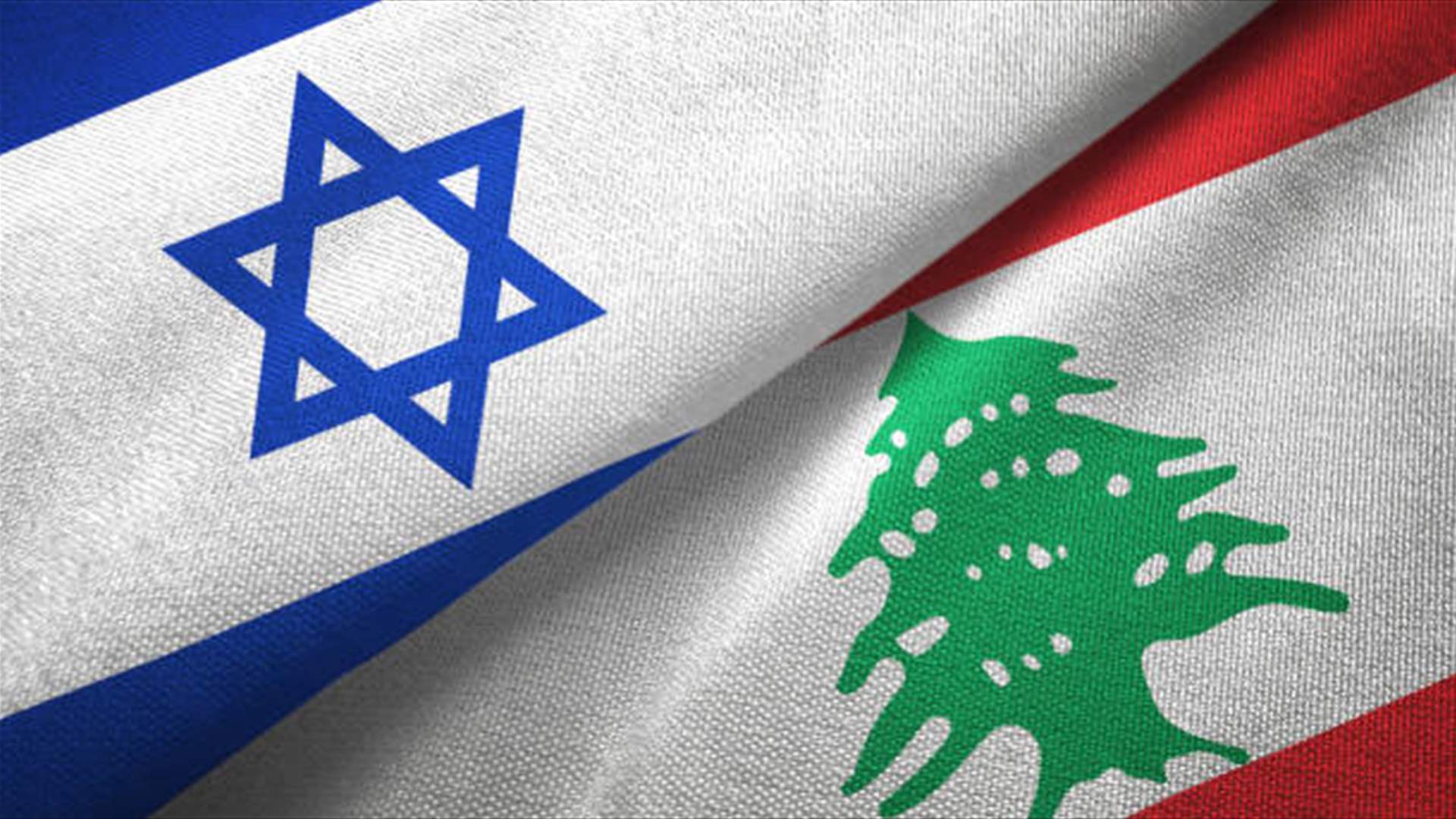
Israeli troops have pulled out from towns and villages in southern Lebanon but remain stationed in five border locations, contradicting Lebanese claims of a full withdrawal under the ceasefire agreement[1][2]. This partial exit mirrors the 2000 disengagement led by Ehud Barak, where Israel ended a two-decade occupation yet retained strategic footholds, a move Barak now warns against repeating as a quagmire[10]. Historical precedent suggests that without a capable Lebanese force to expel them, Israel maintains these positions indefinitely, as seen when the January 2025 withdrawal deadline passed without a complete exit[3].
Traders must monitor official announcements from the Israeli Defence Ministry regarding the dismantling of Hezbollah, which Prime Minister Netanyahu and Defence Minister Katz have cited as the sole condition for leaving the security zone[4][5]. Recent reports confirm Katz stated Israel will not withdraw even if the US demands it, reinforcing the 0% crowd-implied probability that a full ground withdrawal will occur before June 2026[7]. Platforms diverge significantly here: Polymarket users see decimal odds reflecting this near-zero chance, while Kalshi traders face implied probabilities with stricter KYC and higher fees, whereas Betfair offers liquidity without the same regulatory reach[1].
The settlement window closes in mid-2026, yet Israeli officials have declared plans to stay indefinitely up to the Litani River, with no current timeline for a full exit[5]. Any shift would require a formal announcement of a completed withdrawal, not a planned future one, a distinction that keeps the market firmly in the "No" zone[1]. Fee structures and KYC requirements vary across books, with Smarkets offering lower costs but less liquidity for such geopolitically sensitive events compared to Kalshi’s regulated environment[1].
Methodology
We read Israel withdraws from Lebanon by 2026? from four platform perspectives: Polymarket (on-chain CLOB), Kalshi (CFTC-regulated exchange), Betfair Exchange (sports book exchange), Smarkets (peer-to-peer betting exchange). Polymarket's live quote comes directly from the Polygon order book; the other three are listed with their platform attributes — fees, KYC, settlement currency, payment options — because a 1:1 contract comparison without API access would be guesswork.
Resolution & payout
Settlement is the biggest difference between the four platforms: Polymarket on-chain in USDC (instant), Kalshi USD via CFTC (T+1), Betfair and Smarkets in local currency via bank withdrawal (T+1 to T+3). PolyGram routes every trade directly into Polymarket's on-chain settlement, which is why payouts land fastest.
FAQ
- Is this market available outside the US?
- PolyGram is available in most jurisdictions where Polymarket isn't directly accessible. Polymarket itself is geo-blocked in the US/UK/EU. Always check local regulations.
- How does resolution work?
- Through the UMA Optimistic Oracle on Polygon: a proposer submits the outcome, a two-hour challenge window opens, and USDC payouts settle automatically once the result is final.
- What's the difference between YES and NO shares?
- A YES share pays $1.00 if the event happens, $0 otherwise. A NO share pays $1.00 if the event doesn't happen. The market price between 0¢ and 100¢ is the implied probability.
- What does it cost to trade on PolyGram?
- Zero. PolyGram routes every order to the live Polymarket order book; the only cost is the Polygon network fee, typically under $0.01 per transaction.
- How reliable are the quoted odds?
- The YES/NO percentages are the live mid-prices of the Polymarket order book. On deep markets they move every few seconds; on thinner ones you'll see short plateaus.
%22%2F%3E%3Cpath%20d%3D%22M%206%2066%20A%2026%2026%200%200%201%2058%2066%22%20fill%3D%22%23E6B98D%22%20opacity%3D%220.9%22%2F%3E%3Ccircle%20cx%3D%2232%22%20cy%3D%2226%22%20r%3D%2222%22%20fill%3D%22%23F5CBA7%22%2F%3E%3Crect%20x%3D%2210%22%20y%3D%224%22%20width%3D%2244%22%20height%3D%2214%22%20rx%3D%227%22%20fill%3D%22%2314b8a6%22%20opacity%3D%220.9%22%2F%3E%3Crect%20x%3D%228%22%20%20y%3D%2218%22%20width%3D%228%22%20%20height%3D%2218%22%20rx%3D%224%22%20fill%3D%22%2314b8a6%22%20opacity%3D%220.7%22%2F%3E%3Crect%20x%3D%2248%22%20y%3D%2218%22%20width%3D%228%22%20%20height%3D%2218%22%20rx%3D%224%22%20fill%3D%22%2314b8a6%22%20opacity%3D%220.7%22%2F%3E%3C%2Fsvg%3E) and
and%22%2F%3E%3Cpath%20d%3D%22M%206%2066%20A%2026%2026%200%200%201%2058%2066%22%20fill%3D%22%23E6B98D%22%20opacity%3D%220.9%22%2F%3E%3Ccircle%20cx%3D%2232%22%20cy%3D%2226%22%20r%3D%2222%22%20fill%3D%22%23F5CBA7%22%2F%3E%3Crect%20x%3D%2210%22%20y%3D%224%22%20width%3D%2244%22%20height%3D%2214%22%20rx%3D%227%22%20fill%3D%22%2314b8a6%22%20opacity%3D%220.9%22%2F%3E%3Crect%20x%3D%228%22%20%20y%3D%2218%22%20width%3D%228%22%20%20height%3D%2218%22%20rx%3D%224%22%20fill%3D%22%2314b8a6%22%20opacity%3D%220.7%22%2F%3E%3Crect%20x%3D%2248%22%20y%3D%2218%22%20width%3D%228%22%20%20height%3D%2218%22%20rx%3D%224%22%20fill%3D%22%2314b8a6%22%20opacity%3D%220.7%22%2F%3E%3C%2Fsvg%3E)
Trade Israel withdraws from Lebanon by 2026? on PolyGram
Live order book, 0% fees, USDC settlement in seconds.
Trade on PolyGram →