Platform comparison
| Platform | YES odds | NO odds | Fee | KYC | Settlement | |
|---|---|---|---|---|---|---|
Polymarket (via Kalshi Alternative) Pick polygram.ink (preferred broker) |
0% | 100% | 0% (USDC on-chain) | No-KYC up to $1,500 | USDC, auto via UMA oracle | Go to the live market → |
Polymarket (direct) polymarket.com |
0% | 100% | 0% | Geo-blocked in US/UK/EU | USDC, on-chain | Go to the live market → |
Kalshi kalshi.com |
— | — | Up to 7% per trade | US-only, KYC required | USD | Go to the live market → |
Betfair Exchange betfair.com |
— | — | 2-5% commission | Full KYC from first trade | GBP / EUR | Go to the live market → |
Manifold Markets manifold.markets |
— | — | Play-money (mana) | None — play-money | Mana (no cash-out) | Go to the live market → |
Outcome probabilities
Current market-implied probability for each outcome, from the live order book.
| Outcome | Probability |
|---|---|
| August 31 | 0% |
| August 15 | 0% |
Market context
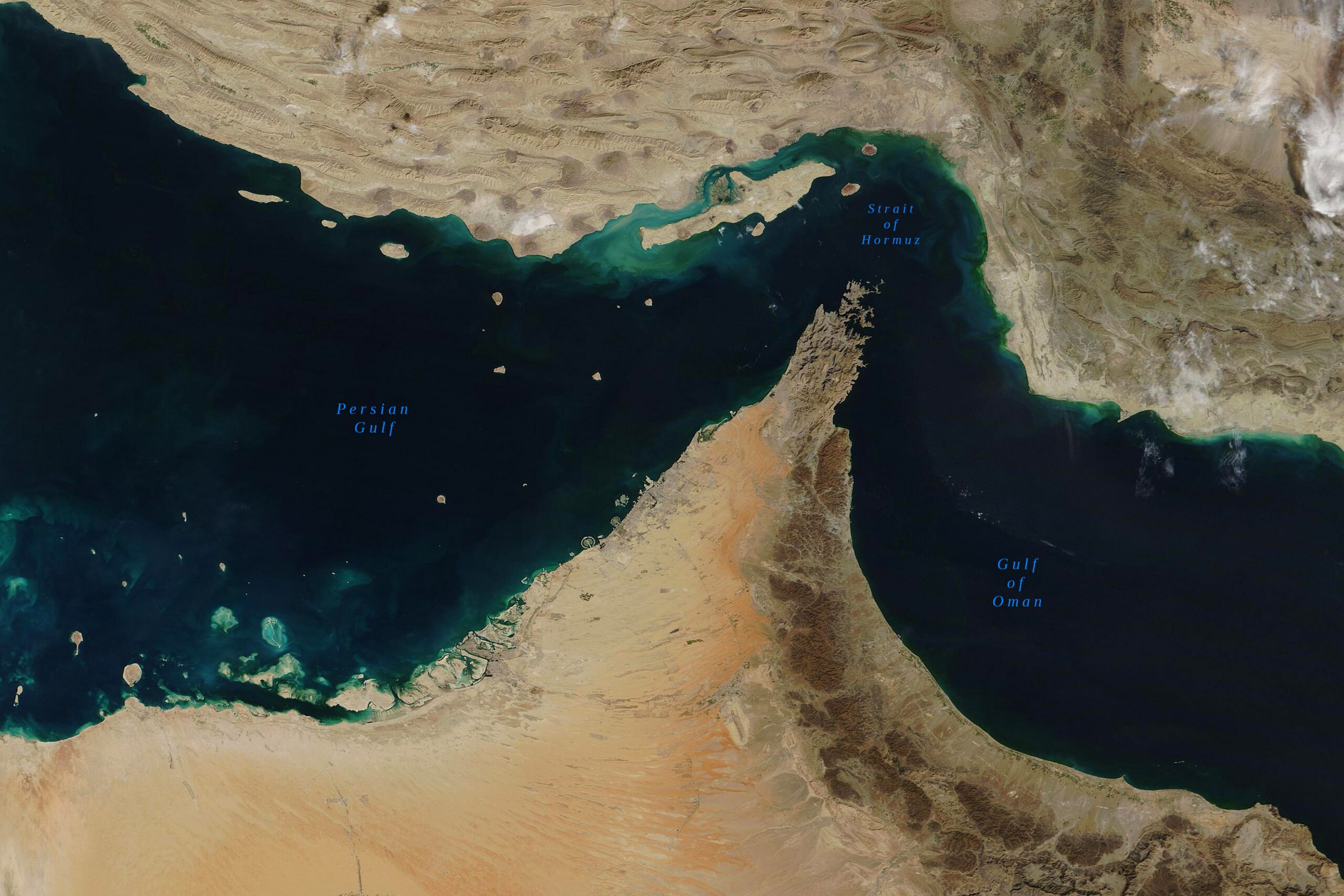
The key question is whether Strait of Hormuz transits can get back to a seven-day average of **60 ships or more** on IMF PortWatch before the end of August 2026. Reuters has repeatedly reported that traffic fell from roughly 125-140 daily passages before the conflict to single digits or the low teens during periods of escalation, with renewed attacks in July pushing transits back to multi-week lows.[2][5][14][15]
That history makes the current **4% YES** crowd view look consistent with a market pricing in prolonged disruption rather than a quick snap-back. Comparable coverage in June said traffic was still only about half of peacetime levels, while May commentary on Kalshi pointed to traders expecting normalisation only in late summer or later; that matters because Polymarket, Kalshi, Betfair and Smarkets can all express the same underlying view differently, but the settlement test here is a hard IMF PortWatch threshold, not a subjective “back to normal” headline.[4][9][16] On bookmaker-style venues such as Betfair and Smarkets, prices are usually shown as decimal odds and the trader bears platform commission, whereas Kalshi-style prediction pricing is typically read as an implied probability, with exchange fees and KYC access differing by jurisdiction and venue.
Catalysts to watch are maritime security developments, any U.S.-Iran or regional ceasefire messaging, and whether shipowners resume routing without diversions or dark activity. Reuters reported on 17 July that only three commodity vessels crossed the strait as attacks and a renewed U.S. blockade again stopped traffic, and earlier reports noted JMIC warnings that commercial traffic remained at reduced levels despite ceasefire-related reopening claims.[14][15] Because the market only resolves on IMF PortWatch’s published seven-day average, the most relevant signals are sustained daily crossings rather than one-off bursts, and a trader will want to monitor whether the tracker stays near the normal benchmark of around 60 arrivals rather than merely improving from the recent trough.[1][8]
Methodology
This page compares Strait of Hormuz traffic returns to normal by 2026? specifically across Polymarket, Kalshi, Betfair Exchange and Smarkets. The live probability is the Polymarket mid; the comparison columns summarise each venue's fee structure, KYC, settlement currency and payment rails. Every CTA routes to Kalshi Alternative, which mirrors the Polymarket order book at 0% fees.
Resolution & payout
Polymarket settles via UMA Optimistic Oracle on Polygon. A proposer posts the outcome with a bond, the two-hour window runs, then the smart contract pays USDC.
Kalshi settles USD through the CFTC-regulated clearinghouse — the cleanest variant, with heavier KYC. Betfair Exchange settles in account currency (GBP/EUR), net of 2-5% commission. Smarkets follows the same model as Betfair with a lower default 2% commission.
FAQ
- What does Polymarket cost vs Kalshi?
- Polymarket: 0% fees, only Polygon network costs (~$0.01/trade). Kalshi: up to 7% per trade plus spread. For high-frequency traders, Polymarket is dramatically cheaper.
- Which platform has the deepest liquidity?
- Polymarket — by a wide margin. Top markets reach $50-500M volume, Kalshi ~$200M cumulative, Betfair similar. Deeper liquidity means your trade moves the quote less.
- Which platform is accessible globally?
- Polymarket is geo-blocked in the US/UK/EU. Kalshi is US-only. Betfair and Smarkets are UK-restricted. Kalshi Alternative has a different geo footprint and routes to Polymarket's order book at 0% fees.
- Are all these platforms regulated?
- No. Kalshi is CFTC-regulated (US). Betfair and Smarkets are UK Gambling Commission licensed. Polymarket operates without explicit regulation — a different risk profile than a regulated sportsbook.
- Which platform supports Klarna/SOFORT?
- Directly: none. Polymarket accepts only USDC on Polygon. Kalshi Alternative offers a fiat on-ramp via Klarna or SOFORT (DE/AT/CH) and converts internally to USDC for the Polymarket order book. T+1 processing.
%22%2F%3E%3Cpath%20d%3D%22M%206%2066%20A%2026%2026%200%200%201%2058%2066%22%20fill%3D%22%23E6B98D%22%20opacity%3D%220.9%22%2F%3E%3Ccircle%20cx%3D%2232%22%20cy%3D%2226%22%20r%3D%2222%22%20fill%3D%22%23F5CBA7%22%2F%3E%3Crect%20x%3D%2210%22%20y%3D%224%22%20width%3D%2244%22%20height%3D%2214%22%20rx%3D%227%22%20fill%3D%22%2314b8a6%22%20opacity%3D%220.9%22%2F%3E%3Crect%20x%3D%228%22%20%20y%3D%2218%22%20width%3D%228%22%20%20height%3D%2218%22%20rx%3D%224%22%20fill%3D%22%2314b8a6%22%20opacity%3D%220.7%22%2F%3E%3Crect%20x%3D%2248%22%20y%3D%2218%22%20width%3D%228%22%20%20height%3D%2218%22%20rx%3D%224%22%20fill%3D%22%2314b8a6%22%20opacity%3D%220.7%22%2F%3E%3C%2Fsvg%3E) and
and%22%2F%3E%3Cpath%20d%3D%22M%206%2066%20A%2026%2026%200%200%201%2058%2066%22%20fill%3D%22%23E6B98D%22%20opacity%3D%220.9%22%2F%3E%3Ccircle%20cx%3D%2232%22%20cy%3D%2226%22%20r%3D%2222%22%20fill%3D%22%23F5CBA7%22%2F%3E%3Crect%20x%3D%2210%22%20y%3D%224%22%20width%3D%2244%22%20height%3D%2214%22%20rx%3D%227%22%20fill%3D%22%2314b8a6%22%20opacity%3D%220.9%22%2F%3E%3Crect%20x%3D%228%22%20%20y%3D%2218%22%20width%3D%228%22%20%20height%3D%2218%22%20rx%3D%224%22%20fill%3D%22%2314b8a6%22%20opacity%3D%220.7%22%2F%3E%3Crect%20x%3D%2248%22%20y%3D%2218%22%20width%3D%228%22%20%20height%3D%2218%22%20rx%3D%224%22%20fill%3D%22%2314b8a6%22%20opacity%3D%220.7%22%2F%3E%3C%2Fsvg%3E)
Trade Strait of Hormuz traffic returns to normal by 2026? on Kalshi Alternative
Live order book, 0% fees, USDC settlement in seconds.
Open live market →